Tag: Retirement

  • When I Finally Grow Up, I Will Be a Consultant!

    If you are an over 50 “industry-expert” who is downsized or forced into “retirement” you may be able to turn your knowledge into dollars.  Consultants make money from selling what they know.   Oh yes, there are plenty of jokes about the increase in the number of consultants when the economy is poor, and yes almost anyone can claim to be a consultant.  A good consultant, however, not only knows his or her subject but also has passion and a drive for excellence.   Other characteristics a good consultant will possess are:

    Business Acumen  – understanding how a business operates, what drives decisions, and what make the industry unique.

    Pragmatism –  looking at solutions from all angles before designing, recommending, or implementing a solution.

    Professionalism –  committing to the highest standards of ethics, integrity, and confidentiality.

    One can consult in almost any subject but the areas in current demand are:  Accounting, Advertising, Auditing, Business, Business Writing, Career Counseling, Communications,  Computer Consulting, Editorial Services, Executive Search,  Gardening, Grant Writing, Human Resources, Insurance, Marketing, Payroll Management, Public Relations, Publishing, Taxes, Writing Services.
    consultant sign

    If you are indeed qualified by your experience and expertise to be a consultant, some other things to consider before getting out your Rolodex and hanging your sign include asking yourself…..

    Are there any certifications or special licensing I will need?  In some states professional fund raisers must be registered with the state before beginning your business.  The National Society of Fund  Raising Executives offers a certification, however it is not required for consultants to have this certification.  If you thinking about becoming a computer consultant, regardless of your skills, some potential clients may want to see a collection of Microsoft certifications.

    Do I like to network ?  Networking is essential to the success of any type of consultant business.  Begin building your network of contacts immediately.

    Am I organized enough to be a consultant?  Not only must you organize the data you collect or are given, you must have excellent time management skills, and an ability to organize your day.

    If being the expert and solving a client’s problems is appealing, here are some steps to help you get started.

    1.   Renew old acquaintances and refresh your recent contacts in your chosen industry.  This might even include contacting the company that downsized or “retired” you to see if they use former employees as consultants.

    2.   Write out your mission statement of what you intend to help your customers achieve with your consulting help.  Keep it under 25 words!

    3.   Go through your files and look for letters of commendation, awards, etc.  Contact friendly outsiders who have expressed a willingness to write testimonials in your behalf.

    4.   Examine any special insurance, bonding, etc. you will need in your chosen field, such as errors and omissions insurance.  Find vendors and get cost quotes.

    5.   Decide on a business name and get a professionally-designed logo.  If you are on a tight budget, you can get matching business cards, letterhead, and envelopes through online sites. Consider:  Zazzle.com,  vistaprint, US.moo.com.

    6.   Create a website that is simple in construction and professional in appearance.  You can customize a template offered by a web hosting company, use software such as Dreamweaver or MS FrontPage,  or find a local developer to work with.

    7.   Decide if you will need a one-page Letter of Agreement or will need an extensive contract to conduct your business.  If you will need a formal contract, find a local business attorney to work with.

    Share Your Knowledge and Expertise.
    Share Your Knowledge and Expertise.

  • A Business on the Side. Why Should You Have One?

    Why does someone become a Halfpreneur,  begin a Side Hustle (Pamela Slim’s, author of Escape from Cubicle Nation, term for a tiny, independent venture you do during your free time) or begin a Second Act Semi-retirement career (Nancy Collamer)?   The idea of starting a side business may have arisen from:

    • seeing family or friends lose their jobs and realizing no job was truly secure
    • your own job loss and long term unemployment
    • an early retirement or retirement when you want to continue working and earning an income but you also want to work  fewer hours  at something you enjoy,
    • being one of the many millennials who want a challenge while waiting for the job market to open up.

    The current government shut down may spur some individuals who work for government agencies or for businesses doing business with the government that they too should have a side business.

    CLOSED
    CLOSED

    The reality is that even if we have a full-time job, we are all self-employed.   Even if you are happy and feeling secure in your current position, it may be wise to become a Halfpreneur and start that side business as a form of career insurance.  Your side business  can:

    • provide extra income or a financial cushion.  The extra revenue can go to what you think is important – home repairs, paying down debt, retirement savings, a vacation.
    • serve as a backup plan just in case you lose your job.
    • be an opportunity to experiment with new fields and ideas which along with exercise will keep your brain healthy.

    Once you organize your thoughts, you may discover there are almost limitless possibilities for potential businesses. Contrary to popular thought,  Everyone has skills, experience and attributes that can be used to successfully launch a  small business.  Begin by focusing on something that is in demand, fills a need and has growth potential.  If you can find an under-served niche you will have an easier time getting customers and establishing a reputation.  But don’t waste your time and energy by just starting a business that meets a demand.  This will be your business , choose something that interests you and that you are capable of doing.

    Two warnings!

    • If you have a full time job, make sure you are not prohibited from performing outside work.
    • Check the local and state laws to be certain you can comply with the laws.  For example there may be zoning laws or regulations that food items be prepared in commercial kitchens.  SCORE and  local government small business associations can assist you,

    Finally avoid potential financial and legal problems by:

    • choosing a legal structure for your business, most likely you will operate as a sole proprietor or as an LLC (limited liability corporation)
    • setting up a business bank account
    • checking with a CPA to learn what are your tax requirements.    You’ll also want to know what deductibles you can take.
    • getting any business licenses or permits that are required
  • Retire or Re-tire

    For the past several years, I have thought that it was the baby-boomers, now that they are approaching retirement age, who had a problem with the word and concept, “retirement.”  Recently while cleaning out bookshelves, I found a vintage book, Paths to Power,  from the early days of women’s studies programs.  First published in 1980, Natasha Josefowitz ended her book with a chapter titled “Re-tire to Re-start.” She briefly began with the necessity to plan your retirement, if that is what you wanted to do and her planning advice concerned not only finances, but exercise, nutrition, using your talents, and keeping your mind active.  As for retirement she admitted it could be wonderful if you were using this time period to START something, rather than STOP.  The remainder of the chapter focused on your other option – Re-tire!

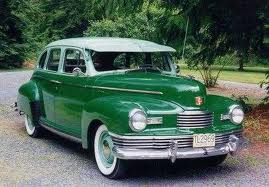
    Re-tire – put some new tires on the old car to make it run like new.  Then roll along or bump along depending on what new roads you decide to travel.  With your experience, she suggested that it may be time to consult, teach, or counsel (the coaching field had not been invented yet) or write.  But if the re-tired vehicle was looking for a more exciting trek, entrepreneurship was among her suggestions.

    Seems at least some of us read about reinventing retirement thirty years ago and promptly forgot about it.  But the seeds were sown.  Maybe this is why Profiting from Passions Coaching (R) is one of my encore careers.

    Originally published in my blog: Reinvent Retirement Jan. 2011